




Maintaining the ideal climate conditions in a wine cellar is crucial for preserving the quality and flavour of your prized wine collection. Reliable cellar equipment like a cellar cooling system plays a pivotal role in achieving and sustaining these conditions. However, like any other mechanical system, cellar cooling units are prone to wear and tear over time, which can compromise their efficiency. Recognizing the signs indicating that your cellar cooling system requires repair or replacement is imperative to prevent potential damage to your wine collection and ensure optimal performance. Here are some key indicators to watch out for:
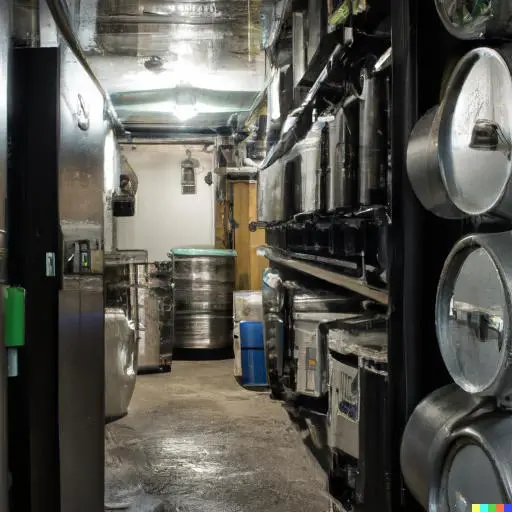
Inconsistent Temperature Control
One of the primary functions of a cellar cooling system is to regulate temperature levels within the wine cellar consistently. If you notice significant fluctuations in temperature or difficulty in maintaining the desired temperature settings, it could be a sign of underlying issues with the cooling unit. Fluctuating temperatures can adversely affect the aging process of wine and compromise its quality.
Excessive Moisture or Humidity
Proper humidity levels are essential for preserving wine and preventing cork deterioration. A malfunctioning cooling system may struggle to maintain optimal humidity levels, leading to excessive moisture accumulation or elevated humidity in the cellar. Mould growth, musty odours, and warped labels are common indicators of high humidity levels, signalling the need for immediate attention to the cooling system.
Unusual Noises or Vibrations
Strange noises or vibrations emanating from the cellar cooling unit could indicate mechanical problems such as worn-out components, loose parts, or compressor issues. Any abrupt changes in the operating sounds of the system warrant a thorough inspection by a qualified technician to diagnose and address the underlying issues before they escalate.
Increased Energy Consumption
A sudden spike in energy consumption without a corresponding increase in cooling efficiency can signify inefficiencies or malfunctions within the cooling system. Aging components, refrigerant leaks, or poor insulation can contribute to higher energy bills. Regular monitoring of energy consumption and efficiency can help identify potential issues early on and prevent costly repairs or replacements down the line.
Visible Signs of Wear and Tear
Inspect he cellar equipment cooling unit for any visible signs of wear and tear, such as rust, corrosion, or leaks. These indicators suggest that the system may be nearing the end of its lifespan or experiencing significant deterioration, requiring immediate attention. Ignoring visible damage can lead to system failure and compromise the integrity of your wine cellar.
Frequent Cycling On and Off
A cellar cooling system that cycles on and off frequently, known as short cycling, can indicate various underlying issues such as thermostat problems, refrigerant leaks, or inadequate ventilation. Short cycling not only diminishes the efficiency of the cooling unit but also increases wear and tear on the components, leading to premature failure if left unresolved.
Age of the Cooling System
Lastly, consider the age of your cellar cooling system. Most cooling units have a lifespan of around 10-15 years, depending on factors such as usage, maintenance, and environmental conditions. If your cooling system is approaching or surpassing this lifespan, it may be more cost-effective to invest in a new, energy-efficient unit rather than continually repairing an aging system.
In conclusion, staying vigilant and proactive in monitoring the performance of your cellar cooling system is essential for preserving the quality and longevity of your wine collection. By recognizing and addressing the signs indicating the need for repair or replacement, you can ensure that your cellar remains a sanctuary for your wines, maintaining optimal conditions for years to come. Consult with a professional technician for thorough inspections, maintenance, and recommendations tailored to your specific needs and requirements.